Willa Lang · 27 October 2026
Examining Backend Database Scaling Techniques for Maintaining Operational Independence in Solo-Managed Web Projects
Database scaling techniques allow solo operators to handle growing data loads without relying on large teams or external vendors that could compromise control, and these methods range from simple resource upgrades to distributed architectures that keep everything under one person's management. Researchers have documented how independent developers often start with single-server setups that eventually require expansion to maintain performance during peak usage periods, and data from various tech reports shows this transition typically occurs when query volumes exceed a few thousand per minute on standard hardware configurations.
Core Principles Behind Independent Scaling Strategies
Operational independence in solo web projects depends on choosing database technologies that support incremental growth without introducing complex coordination overhead, and studies indicate that relational systems like PostgreSQL combined with basic replication often suffice for projects under several hundred thousand records while still allowing future expansion. Observers note that the key lies in selecting tools with built-in features for monitoring and automated backups, which reduces the daily workload and lets one person oversee everything from a single dashboard. As of October 2026, several open-source projects have released updated plugins that simplify connection pooling and query optimization, making it easier for individuals to maintain stability across multiple application versions without hiring support staff.
Vertical Scaling as a Starting Point for Solo Operators
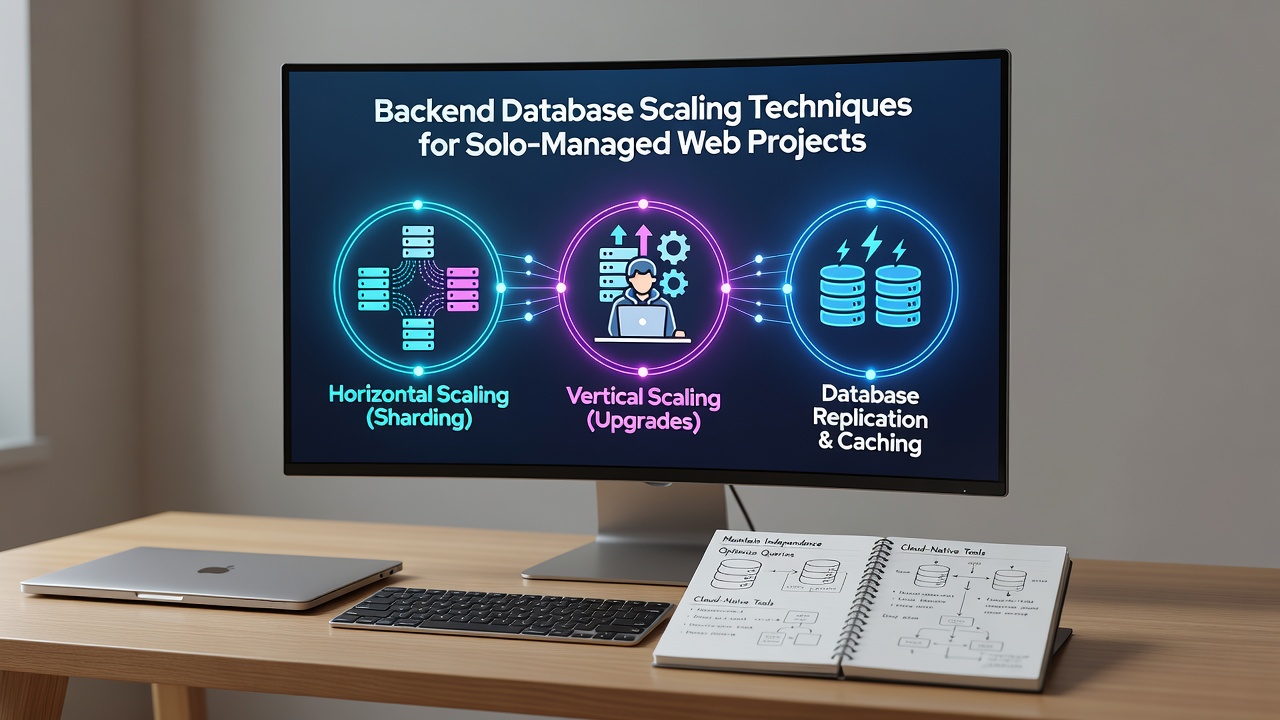
Vertical scaling involves increasing CPU, memory, or storage on the existing server, and this approach works well for many independent sites because it requires minimal code changes while delivering immediate performance gains. Experts have observed that upgrading from a basic virtual private server to one with 16 gigabytes of RAM and faster SSD storage can handle traffic spikes up to ten times the original load, according to benchmarks published by various cloud providers. Those who manage projects alone often prefer this route initially since it avoids the need to configure multiple nodes or deal with data consistency issues across machines. Yet vertical limits eventually appear when hardware costs rise sharply or when providers cap single-instance sizes, at which point horizontal methods become necessary to preserve full control.
Implementing Horizontal Scaling Without Added Complexity
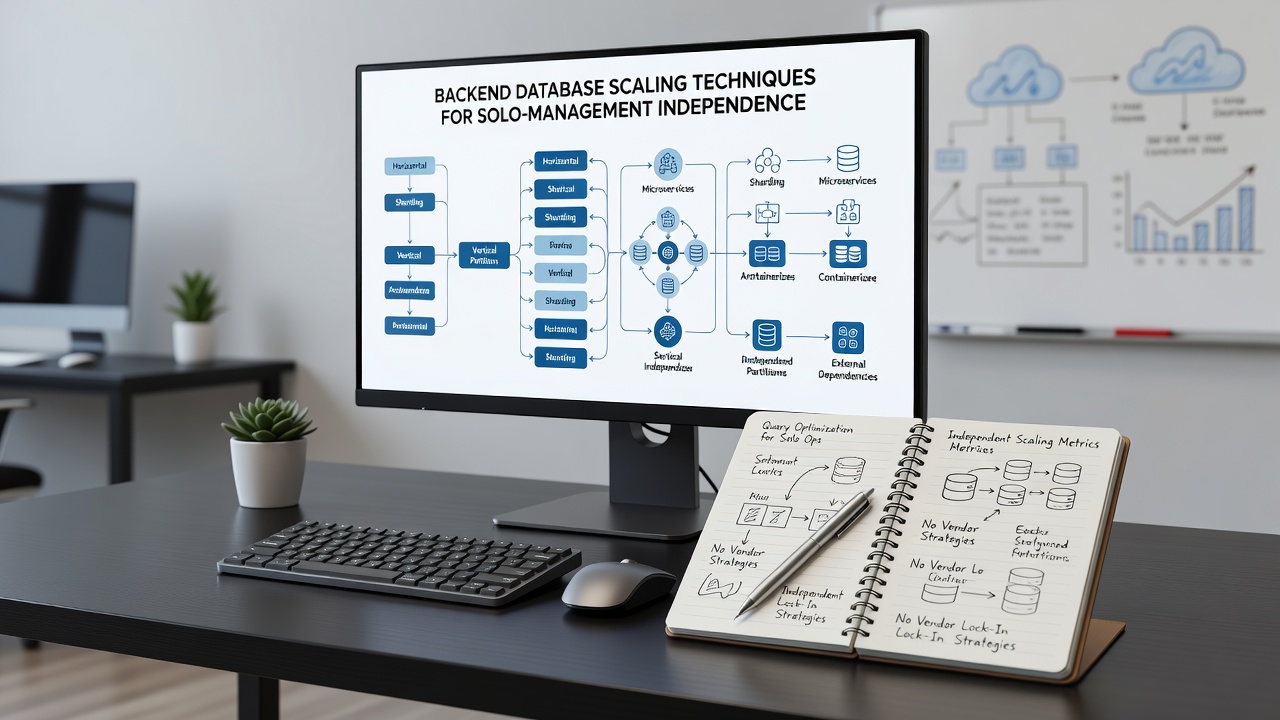
Horizontal scaling distributes data across multiple servers using techniques such as sharding or read replicas, and researchers discovered that tools like Citus for PostgreSQL or built-in clustering in MySQL allow one operator to manage these setups through configuration files rather than custom orchestration software. Data shows that dividing user tables by geographic region or activity level can improve response times by thirty to fifty percent in tested environments, and this method keeps all administration scripts on the primary machine. People who've tried this often discover that starting with read-only replicas handles most traffic growth before full sharding becomes essential, and the process integrates with standard monitoring scripts that send alerts via email or simple webhooks.
Balancing Managed Services With Direct Oversight
Some solo developers incorporate lightweight managed database offerings from providers that still permit direct access and export options, and this hybrid model appears in reports from institutions across different regions including a Canadian study on cloud resource allocation and an analysis from the Australian Research Council on sustainable digital infrastructure. These services handle routine maintenance tasks like patching while leaving schema design, indexing decisions, and backup schedules under the operator's control. Figures reveal that projects using such setups experience fewer downtime incidents during solo operation periods, especially when operators retain the ability to migrate data to self-hosted instances at any time. But here's the thing: the choice between fully self-managed and partially assisted services hinges on the specific workload patterns rather than any universal preference.
Monitoring and Maintenance Practices for Long-Term Autonomy
Effective scaling requires ongoing observation of query performance, storage growth, and connection patterns, and automated tools like pgBadger or custom scripts built around standard database logs provide the necessary insights without requiring external platforms. Those who've studied this know that setting thresholds for alerts allows one person to address issues during routine checks instead of constant supervision. Research indicates that weekly reviews of slow query logs combined with monthly capacity assessments prevent most scaling emergencies before they affect users. What's interesting is how these practices also support compliance with data handling standards that vary by jurisdiction, since all records remain accessible and auditable on systems the operator fully controls.
Conclusion
Backend database scaling for solo-managed web projects centers on selecting methods that match current needs while preserving options for future adjustments, and the combination of vertical upgrades, selective replication, and controlled use of external assistance has proven effective across numerous documented cases. Observers note continued refinement of open-source tools through late 2026, which further reduces barriers for individuals maintaining complete operational independence.