Lars Franke · 29 September 2026
Navigating Platform Algorithm Shifts for Solo Digital Publishers Through Adaptive Content Experiments
Platform algorithms evolve constantly, and solo digital publishers track these modifications through data monitoring tools that flag shifts in reach and engagement patterns; researchers at various institutions document how updates prioritize certain signals like dwell time and interaction depth over older metrics such as raw impressions.
Tracking Algorithm Modifications in Real Time
Independent operators set up automated alerts from analytics platforms that notify them when distribution changes occur, while data from industry reports shows that major services adjusted their ranking systems multiple times between 2024 and 2026. In September 2026 several platforms introduced new emphasis on contextual relevance signals, which prompted publishers to review their existing content libraries for alignment with updated criteria. Observers note that those who maintain detailed logs of performance before and after each update gain clearer visibility into what elements the algorithms now reward.
Designing Controlled Content Experiments
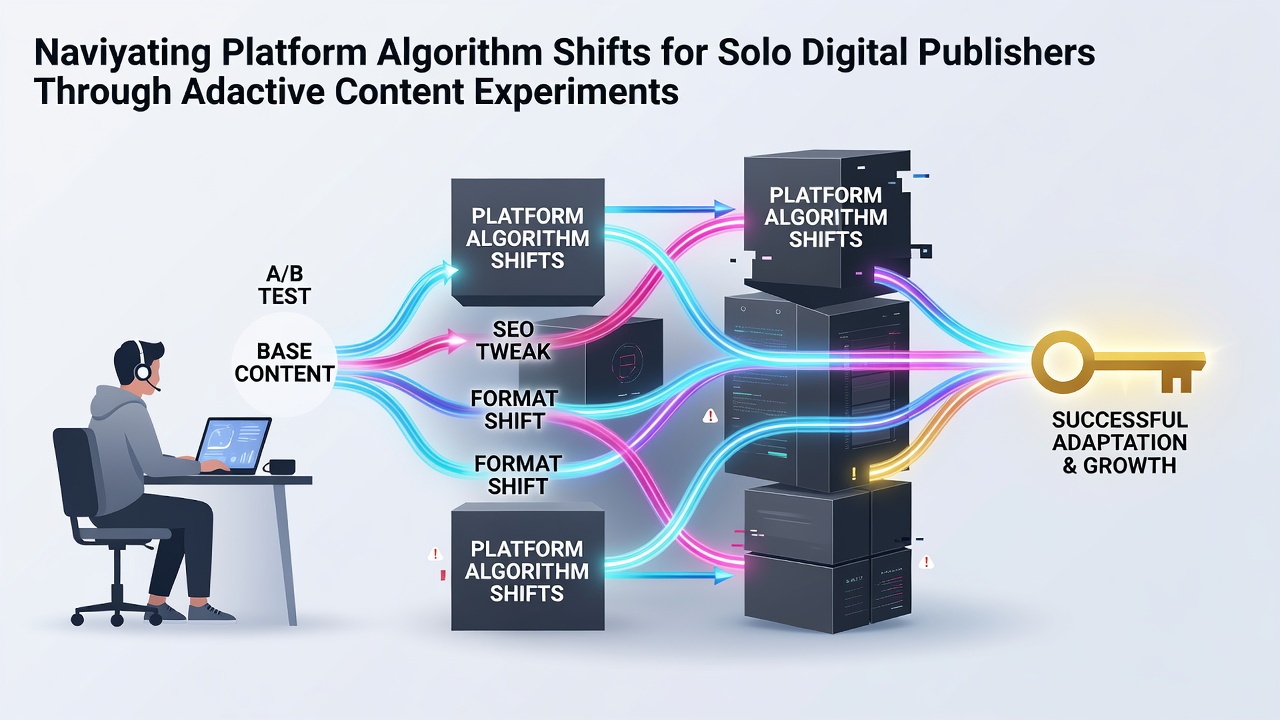
Solo publishers run structured tests by creating variant versions of articles or posts that differ in one variable at a time, such as headline phrasing, image placement, or topic angle, then they publish these across similar time slots to isolate the effects of each adjustment. Studies from academic sources indicate that this incremental approach reduces noise in results compared with broader overhauls, and figures reveal higher reliability when experiments span at least four to six weeks. Publishers often segment their audiences by geographic region or device type to gather more granular feedback on how different groups respond to the same content variations.
Selecting Variables for Testing
Effective experiments focus on elements that align with known algorithm preferences, including content freshness indicators and cross-post engagement rates, while experts recommend limiting simultaneous changes to maintain clear cause-and-effect relationships. Those who've studied this process find that starting with high-volume topics allows faster accumulation of statistical significance, and data shows that mobile-first formatting frequently emerges as a strong performer after recent updates.

One documented case involved a single-operator site that alternated between long-form analysis pieces and shorter list formats over successive weeks, revealing that the algorithm began favoring the shorter formats once dwell-time thresholds were met more consistently. Researchers discovered similar patterns across multiple independent sites, where adaptive testing uncovered preferences that static publishing strategies had missed.
Interpreting Results and Scaling Successful Variants
Publishers analyze test outcomes using built-in platform insights combined with third-party tools that track referral traffic quality and return visit rates, which provides a fuller picture than reach numbers alone. According to a report from the Australian Competition and Consumer Commission, transparency requirements around algorithmic decision-making have increased, giving independent operators more data points to incorporate into their decision frameworks. Successful variants get expanded into series or repurposed for other channels, while underperforming ones receive further tweaks or retirement.
Building Resilience Through Iterative Processes
Long-term adaptation relies on establishing repeatable experiment cycles rather than one-off adjustments, and evidence from research institutions suggests that sites maintaining consistent testing schedules experience steadier traffic patterns despite ongoing platform changes. Solo publishers coordinate these cycles around their content calendars so that new material serves dual purposes as both audience offerings and data collection opportunities. And because algorithms continue to incorporate machine learning elements, the same content that performs well in one quarter may require retesting later as ranking weights shift again.
Conclusion
Adaptive content experiments offer solo digital publishers a systematic method for responding to algorithm modifications without requiring large teams or budgets, and the approach draws on observable performance data to guide decisions. External sources such as the MIT Center for Constructive Communication studies continue to examine how small-scale operators can leverage these techniques effectively across evolving digital environments. Those who integrate regular testing into their workflows position their sites to maintain visibility as platforms refine their systems.